Pallof Press Exercise and Anti Rotation Exercises. Why use them with Athletes?
Pallof presses are popular in social media. Till early 2000s though never saw them used. And I was an ok hammer thrower! If you type Pallof Press in Instagram search up pops heaps posts.
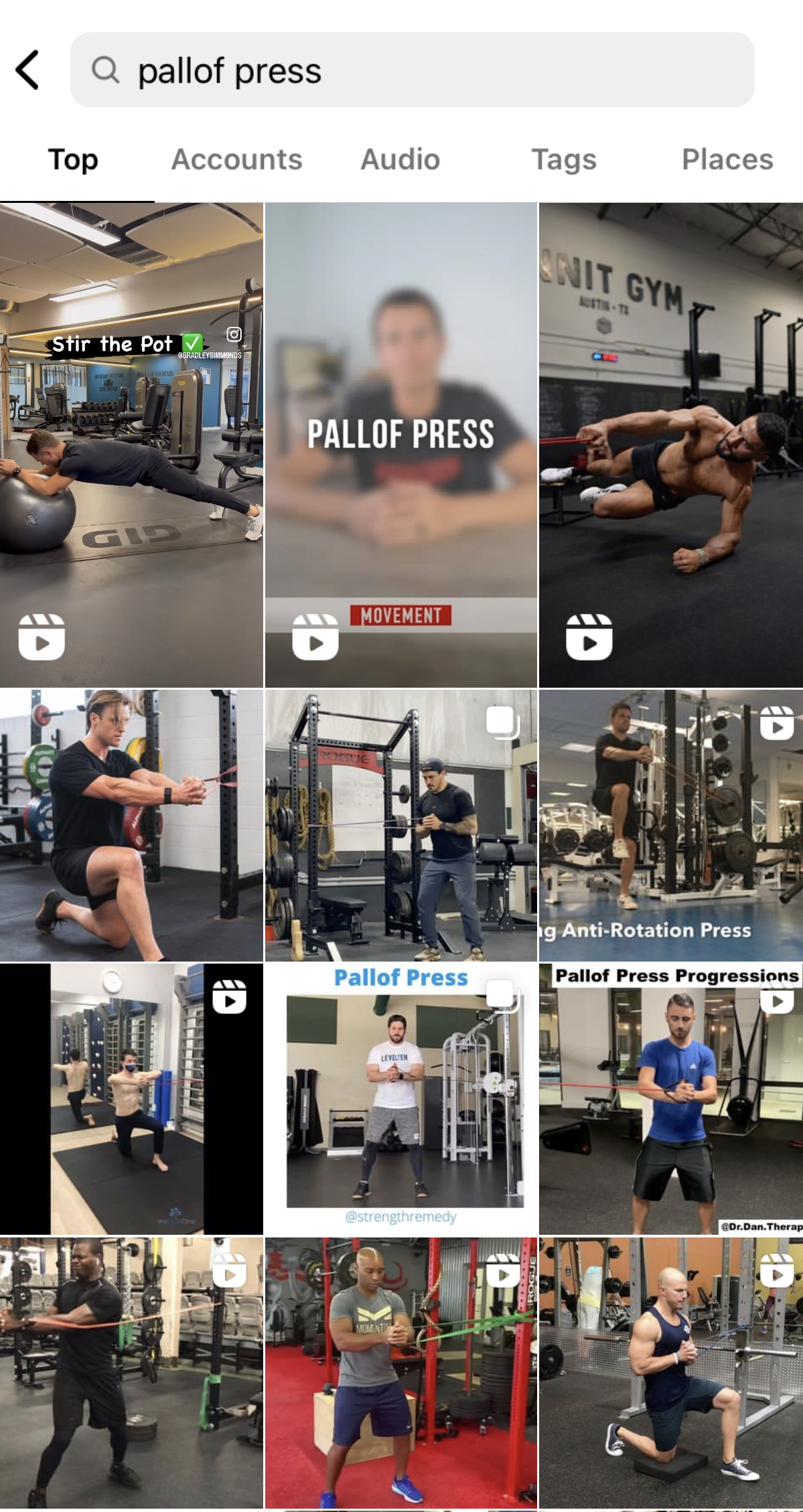
And then heaps comments like this post below “role of our core is to stabilise and prevent movement”. Later on hopefully we can suggest role of some of the spinal muscles is to stabilise the spine. But movement of trunk/core muscles seems necessary, otherwise nothing happens!

Below I have put 4 videos of different rotational exercises and Pallof presses. Obviously heaps more variation out there with medicine balls, barbells and machines. But in a multi joint rotational sports (most!), what is role of Pallof Press exercises and the anti rotation theory?
So even without trying to assess a Pallof Press place in a program, lots of questions should also be popping up on how to sequence rotational exercises. For example do we do the last video where the athlete just uses the trunk to rotate the cable, then move to exercise where Tsitipas uses kinetic chain. Then progress to using a medicine ball versus a wall at high speed. But object of this article is to assess the value of a Pallof Press and anti rotation exercises. And where they fit in.
Ok. So healthy athlete? Discus for example. How will a Pallof Press help this athlete? I could post baseballers, tennis players and many sports. Let’s just look at this. What’s happening?
So I slowed down video at critical point of maximum rotation. Generating torque, ready to launch. So let’s keep jargon simple. On landing and double contact, she starts by driving foot then hips. Creating disassociation. Trunk seems on stretch for want of better word. Thus one would assume obliques then recoiling and adding “ooomph” to throw. Then last little bit is upper body. Kinetic chain. A sequence. Coordinated and multi factorial. What are muscles around spine doing? Haha. Not sure. But assume it’s not totally static isometric hold throughout. And talking forces. Big! What relevance does a Pallof Press have here? Not sure. Obviously some of the spinal muscles have to maintain stability here whilst rotation occurring. I assume there is movement but stability at same time. But things happening very quickly also here. Instantaneous readjustments. So look at slow mo. Lots happening in my opinion around the trunk.

A bit of a google search for functions of some back muscles. Without getting complex. Lot going on. Not just stabilisation.
- Rotators muscles are a set of short muscles located laterally along the vertebral column, attaching between the transverse and spinous processes of thoracic vertebrae. As a result, the rotatores function as stabilizers, extensors and rotators of the spine.
- The multifidus muscles produce extension of the vertebral column. They also generate some rotation of the vertebral bodies away from the side of contraction, and they are also active in lateral flexion of the spine.
- The longissimus muscle is not one muscle, but a collection of three separate muscles that run up nearly the entire length of both sides of the spinal column, from the lower back up to the neck. The erector spinae muscles, including longissimus, are the most powerful extensors of the vertebral column. Their main actions include spine extension and lateral flexion.
The majority of the research with torso/core stiffness has come from Stuart McGill. 2 papers in particular looking at short and long term isometric training and core/torso stiffness. The first paper looked at a novel way to measure stiffness and incorporated isometric exercises plus variations such as Pallof Presses versus a dynamic core routine. Using their stiffness measure the isometric routine came up trumps. Second paper examined the McGill big 3 exercises and impact on stiffness. Links below and lots of cross references in paper. I think some valuable information in McGills work on stiffness and definitely implications for Low Back Pain and rehabilitation.

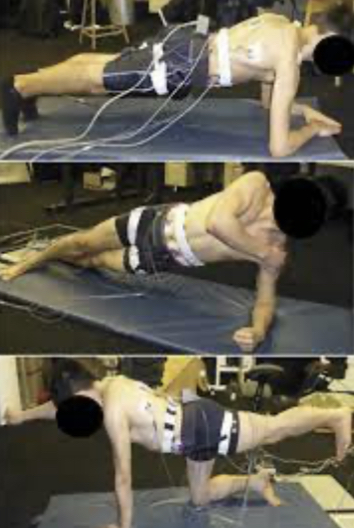
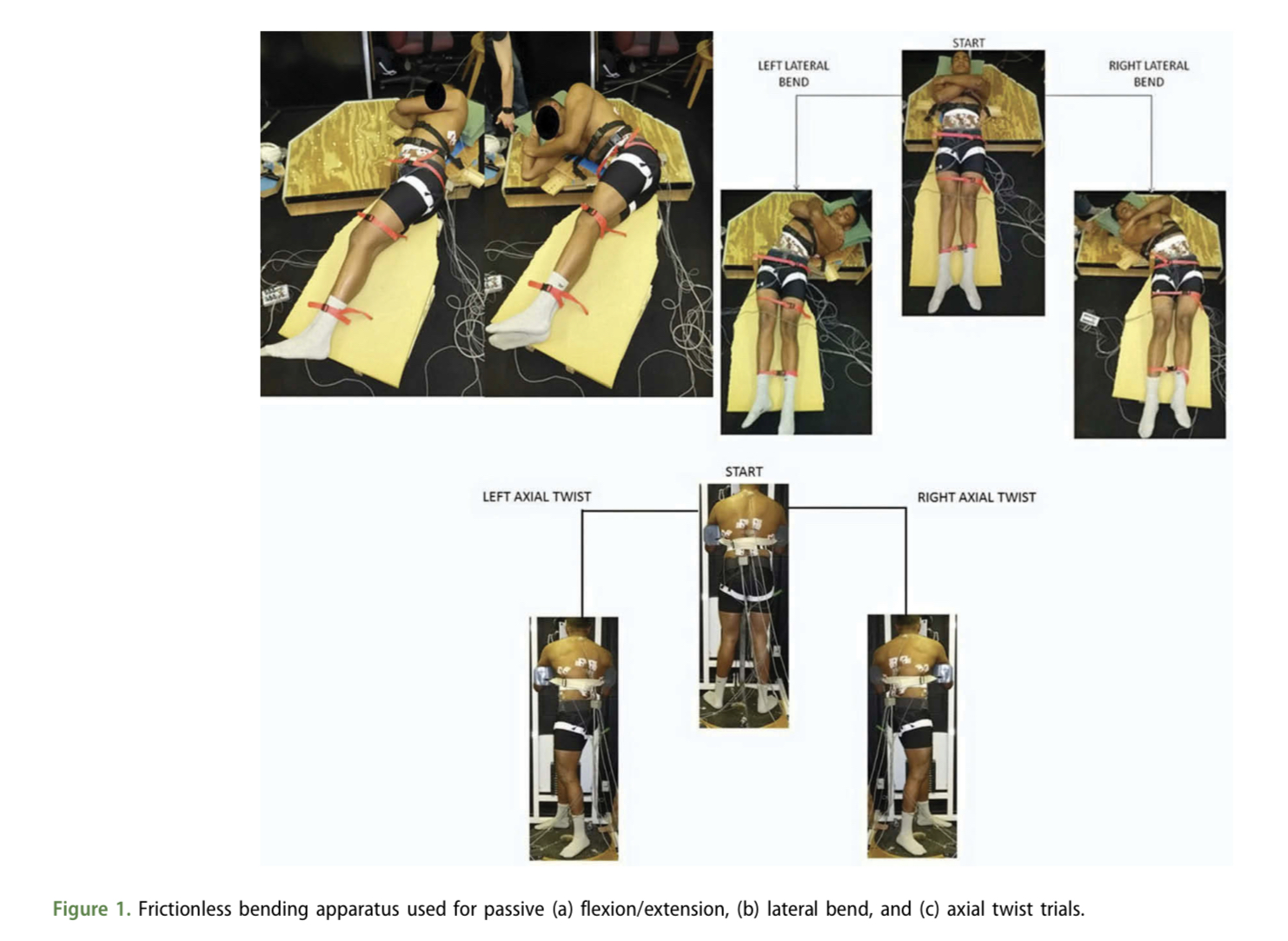
At this point it is important to acknowledge the work of Stuart McGill in rehabilitation. And the crossover to sports conditioning. And going a bit deeper, I was privy in early 2000 to some work with AFL footballers to dynamic ultra sound evaluation of transverse abdominus, pelvic floor and multifidus. The research by people like Julie Hides lead the way. Below is a study on cricketers and lower back pain. Essentially this is rehabilitation. Obviously everything working in synchrony with a fast bowler also improves performance. But for this article need to put this stuff in a bucket. What I did see in AFL was some N= a few correlations with inability to fire up TA etc and problems with groins and lower back. I think it is very important in this article to acknowledge fine tuning is sometimes required in athletes with lower back pain/groins and even hamstrings. And this is not forum to debate whether “switching on TA” with ultrasound is useful. But it is naive to go down meathead way and say some Jefferson deadlifts will cure your back pain. (might for a few). But for the purpose of this article let’s assume we have a healthy athlete. We are trying to hit a tennis ball harder, smack a baseball or throw a discus 80 metres.
https://www.jospt.org/doi/abs/10.2519/jospt.2008.2658

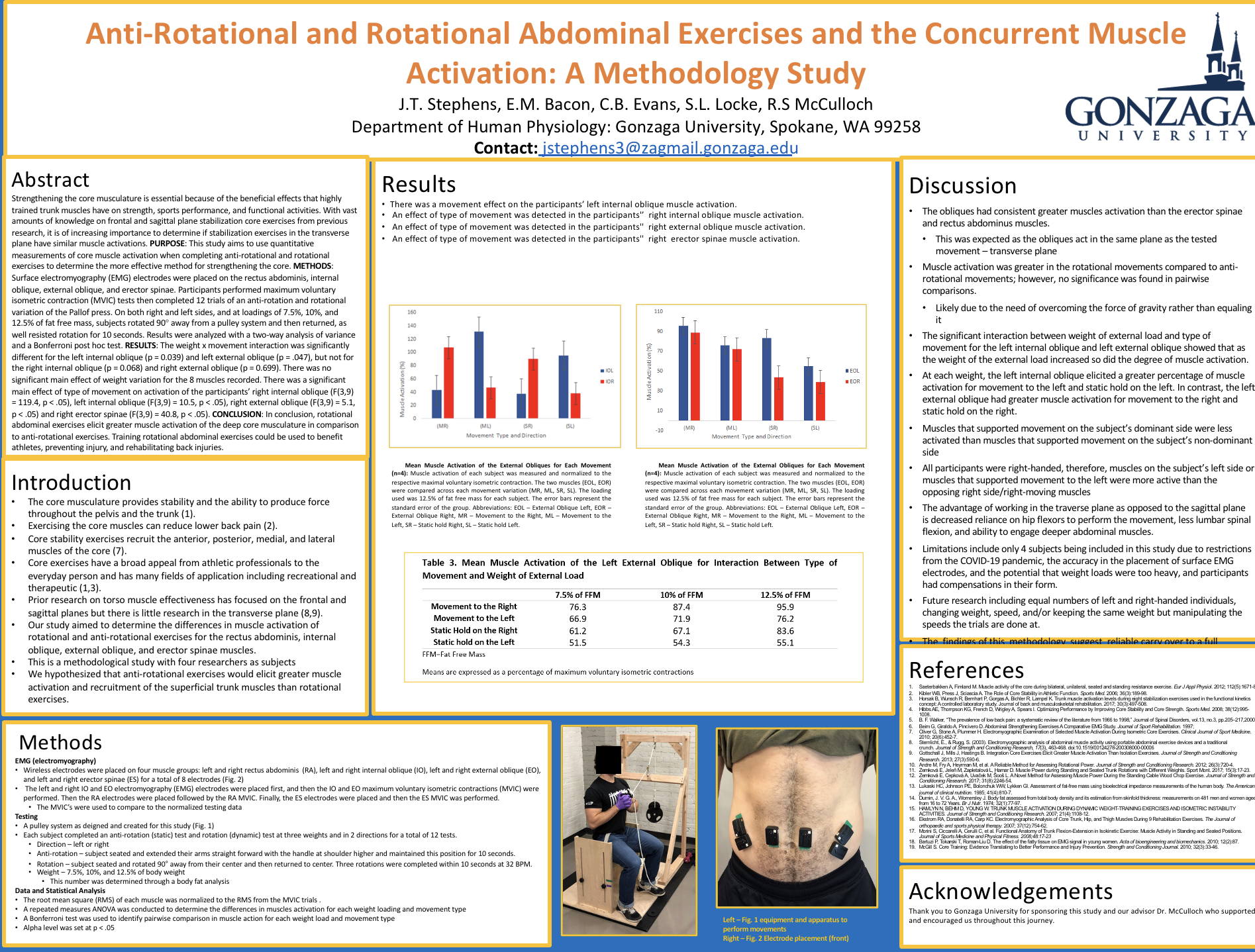
So where does this leave us? I can show you hundreds of videos of throwers, tennis players and other similar athletes doing heavy duty rotational exercises. And I remember having huge obliques as a hammer thrower (and a strong back!) doing all forms of rotational stuff. Probably the stabilisation work was done doing good mornings or other weighted lifts. McGill jumps to a conclusion that after his study using Muy Thai athletes, that isometric or anti rotation exercises are superior. Tell that to a 23 metre shot putter! I did find a pilot study recently that did some nice evaluation on muscles involved in rotation and anti rotation exercises. Cannot find a thing otherwise. And in their view rotational exercises came up best. Below is a link and their poster. Now tiny study, but I liked the way they evaluated muscle activation more than McGills method of evaluating stiffness.
https://digitalcommons.wku.edu/ijesab/vol8/iss9/12/
So where does this leave us? The evidence for using anti rotational exercises for performance is basically zero. This has crept into social media and exercises look funky. But for rehabilitation and/or maybe some introductory “prefab” stuff obviously there is evidence of low level activation. So with many injuries, starting with anti rotational exercises is valid. But even there. Need to move on.
But taking this concept into high velocity, high force sports where huge recoils are occurring at fast speeds. Nah! Contact times for elite 100 metre runners are under 100 millisecond. Take this concept to obliques in explosive rotational sports. Once feet are planted and obliques on stretch? Not long to do their thing!
Maybe Pallof Presses (and variations) are some use for young athletes. Plus they learn to brace and organise movements. Good. But movement is important in kids. So there should be a limit on static isometric exercises. I once saw a test at the Northern Territory Institute of Sport. Maximum side plank time. One 15 year old super fit girl grunted her way to 2 minutes on both sides. But was left clutching a sore shoulder (she was in pain) after side plank. That’s not a core exercise!
That’s it! Leave this one up to you. Otherwise this article is too long. But my opinion. This (Pallof Press) is a social media exercise when directed at athletes. Lots of claims with no evidence. With caveat. As I noted very useful in rehabilitation or sometimes warmups for activation or in very young athletes. Not just Pallof Presses but all forms of isometric core/torso exercises. Also some sports such as endurance cycling hold extreme positions for prolonged times. So again there is relevance. But also the role of hip mobility is critical in these athletes (and their aerodynamic positions), so lots to consider.
Last video. New Zealand Shot Putter Valerie Adam’s doing some rotational stuff. She was ok! Multiple gold medals at Olympics, Worlds, Commonwealth Games. Cannot find a Pallof Press variation that would help throw over 20 metres.
 loris bertolacci